


📌 NOTE FOR NEW READERS: This is an independent Substack covering 50501, No Kings, and the broader pro-democracy and civic-action ecosystem. Subscribe to join our community and to keep us posting.
TL;DR
The United States turns 250 on July 4, 2026. The founding was an act of defiance. People looked at a king and said hell no. But most of the freedoms you actually hold now, from the vote to the weekend, were won later, by the people that the founders left out. This Fourth, you do not have to choose between celebrating the country and fighting for it. Doing both is the most American thing you can do. Two ways to act are below, including local actions this Fourth of July weekend and the John Lewis Good Trouble Lives On weekend on July 17.
This Saturday, the country turns 250.
There will be fireworks, flags, cookouts, and a sky full of light.
And this year, a lot of us feel complicated about it. So before anything else, let’s read the room, honestly.
However you’re walking into this weekend, we are in this together.
Maybe you’re ready to celebrate. You got invited to a cookout, a lake, a campsite, a backyard with someone’s speaker turned up. Go. You don’t have to feel guilty for wanting a good day with the people you care about. And if you’re a veteran, or you love one, and that flag means something you served for, then celebrate it all the way. You earned the fireworks, and nobody can take that from you.
Maybe you can’t get there this year, and the flag feels heavier than it used to. You are watching the Trump administration test how much of the Constitution can be ignored. You’re watching ICE pull parents out of driveways and workplaces and leaving kids waiting in a pickup line for someone who won’t be coming home. You’re watching rights you assumed were permanent get treated as optional. If “Happy Fourth” is sticking in your throat this year, that’s not you being un-patriotic, you’re paying attention.
However you choose to spend this weekend, you are welcome here. Those who want to be in the street holding signs, and those who need a break and won’t be anywhere but the couch.
There’s no single right way to love a country that is in trouble.
And please, let’s not spend this weekend turning on each other over how we each get through it. The neighbor flipping burgers and the neighbor marching are not enemies. Save that energy for the people trying to take our rights.
But wherever you land this weekend, don’t let anyone tell you that standing up for democracy is the un-American part of it.
The country was born because people refused a king.
On July 4, 1776, the Second Continental Congress adopted a document that accused a sitting monarch of a long train of abuses and declared that governments get their power from the consent of the governed, not from a king. (National Archives, Declaration of Independence)
And let’s be honest about who wrote the document. Majority of the founding fathers were wealthy, many of them enslaved Black people, and the country they designed put white men of property at the top and everyone else underneath. However, the words they set down turned out to be bigger than they were, and what came next, is the reason the 4th of July is meaningful to us all.
So when someone tells you this year that activism ruins the Fourth, you can tell them the truth. Activism is the Fourth.
The promise was always unfinished, and to be progressive
The Declaration didn’t make America free for everyone.
Women had no political power. Enslaved people were held in bondage by some of the same hands that wrote “all men are created equal.” Native nations faced removal and broken treaties. The promise was written before the country was willing to keep it.
That gap, between what America said and what America did, is what drove every movement that followed, forward.
Abraham Lincoln understood this. In an 1859 letter, he argued that the Declaration’s lasting power was never the men who signed it but the principle they set down, an abstract truth of equality meant to stand, in all coming days, as “a rebuke and a stumbling block” to reappearing tyranny. (Letter to Henry L. Pierce, April 6, 1859)
That is what the 4th of July is for. Not pretending the promise is done. Reclaiming the unfinished promise as our inheritance and our assignment.
The flag belongs to the people. The word freedom belongs to the people. And so does the work.
A different way to celebrate, with both hands full
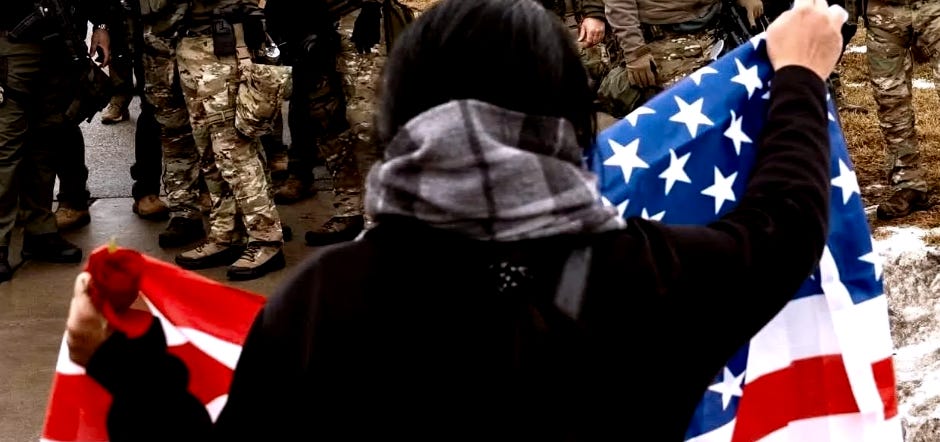
You don’t have to pick between joy and resistance this weekend. You can hold space for both.
You can laugh with your family and still tell your truth. You can watch the fireworks and still remember that some of the brightest moments in this country’s history came from people who were told to sit down, be quiet, and wait their turn. They didn’t stop and that’s the only reason we have rights at all.
Celebrating as an activist means celebrating with purpose.
Pick something from the list below. We will come back to it with a full plan at the end. First, the part that should make you proud to be standing where you’re standing:
The 250 years of people who built the freedoms you are about to grill hot dogs under
250 years of moving forward
What follows is not every righteous act or fight in American history. This article would be never ending, and flattening them into one interchangeable story would be a full textbook. A slave revolt, bus boycotts, factory occupations, and a prayer camp on the Missouri River were not the same act. They used different tools in different dangers.
But each one exposed a gap between American ideals and American reality, then forced that gap into the open until the country moved.
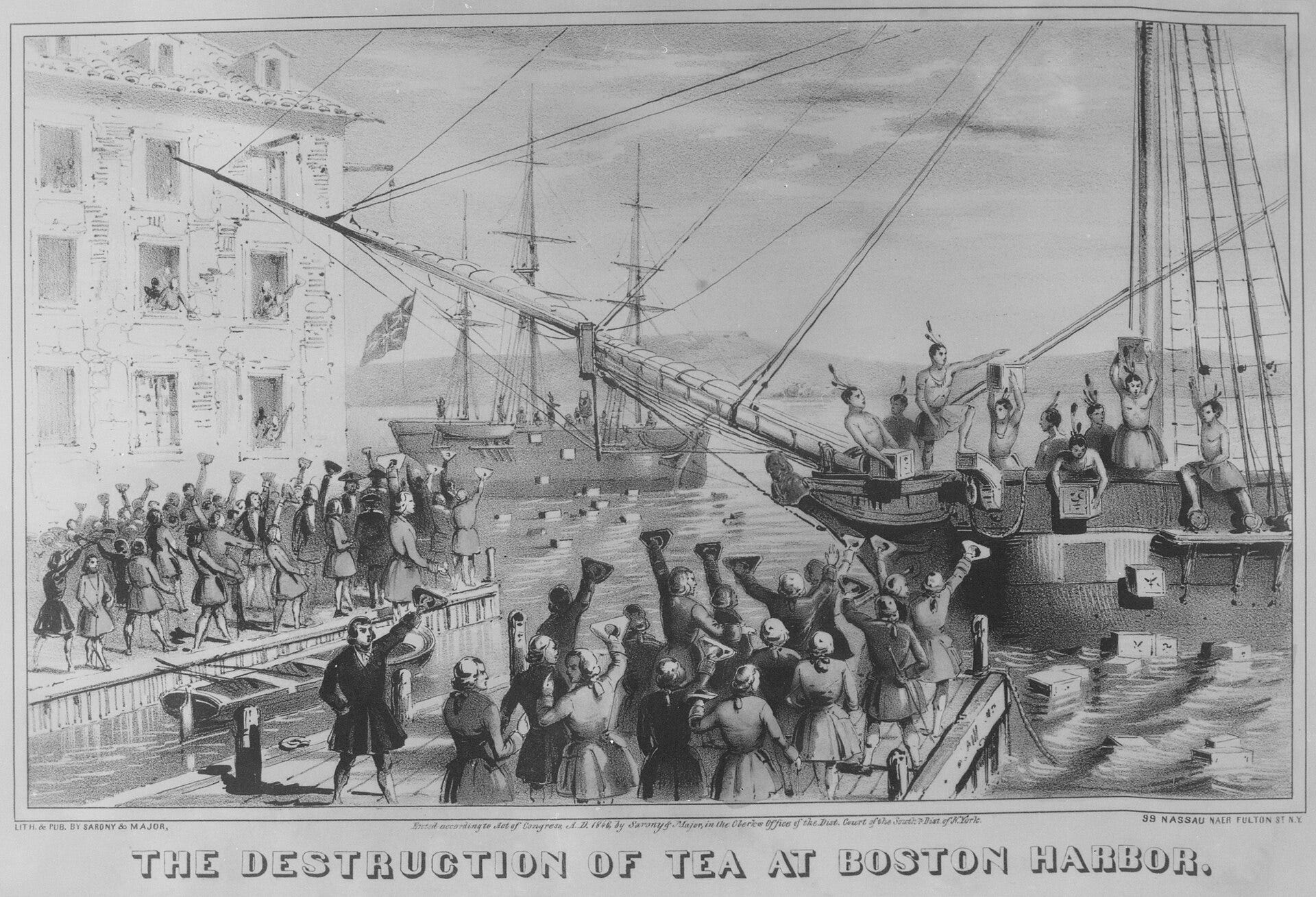
1773: The harbor before the holiday | The Boston Tea Party
Before there was a Fourth of July, there was a property crime.
On December 16, 1773, colonists in Boston boarded three ships and dumped roughly 90,000 pounds of British East India Company tea, some 340 chests, into the harbor to protest taxation without representation. (Massachusetts Historical Society)
It punished Boston with the Coercive Acts. That backlash helped push thirteen colonies toward revolution.
Power has always called resistance “too much,” right up until history calls it necessary. Every generation gets its version of the harbor and has to decide what it will tolerate.
1776: The words that became a weapon
The founders wrote that all men are created equal, and that a government’s power comes from the consent of the people it governs. They meant it narrowly, for men like themselves. But once those words became the country’s official founding claim, no one could control who picked them up. Anyone the country left out could point straight at its own founding document and ask a pondering question it couldn’t avoid: if you put it in writing that everyone is equal, when does that include me?
That’s a weapon in writing. You don’t have to create a new argument for your rights. You hold the country to the promise it already made in writing and puts on display every single Fourth of July.
It’s the exact move abolitionists made against slavery, that suffragists made for the vote, that workers made for fair conditions, and that disability rights, immigrant rights, and pro-democracy organizers still make today. Same words, aimed back at the country that wrote them.
1791: Speech, press, assembly, petition
The Bill of Rights was a condition the people insisted on because they feared the kind of power they just fought.
The First Amendment protects religion, speech, the press, the right to assemble peaceably, and the right to petition the government for a redress of grievances. (National Archives, Bill of Rights)
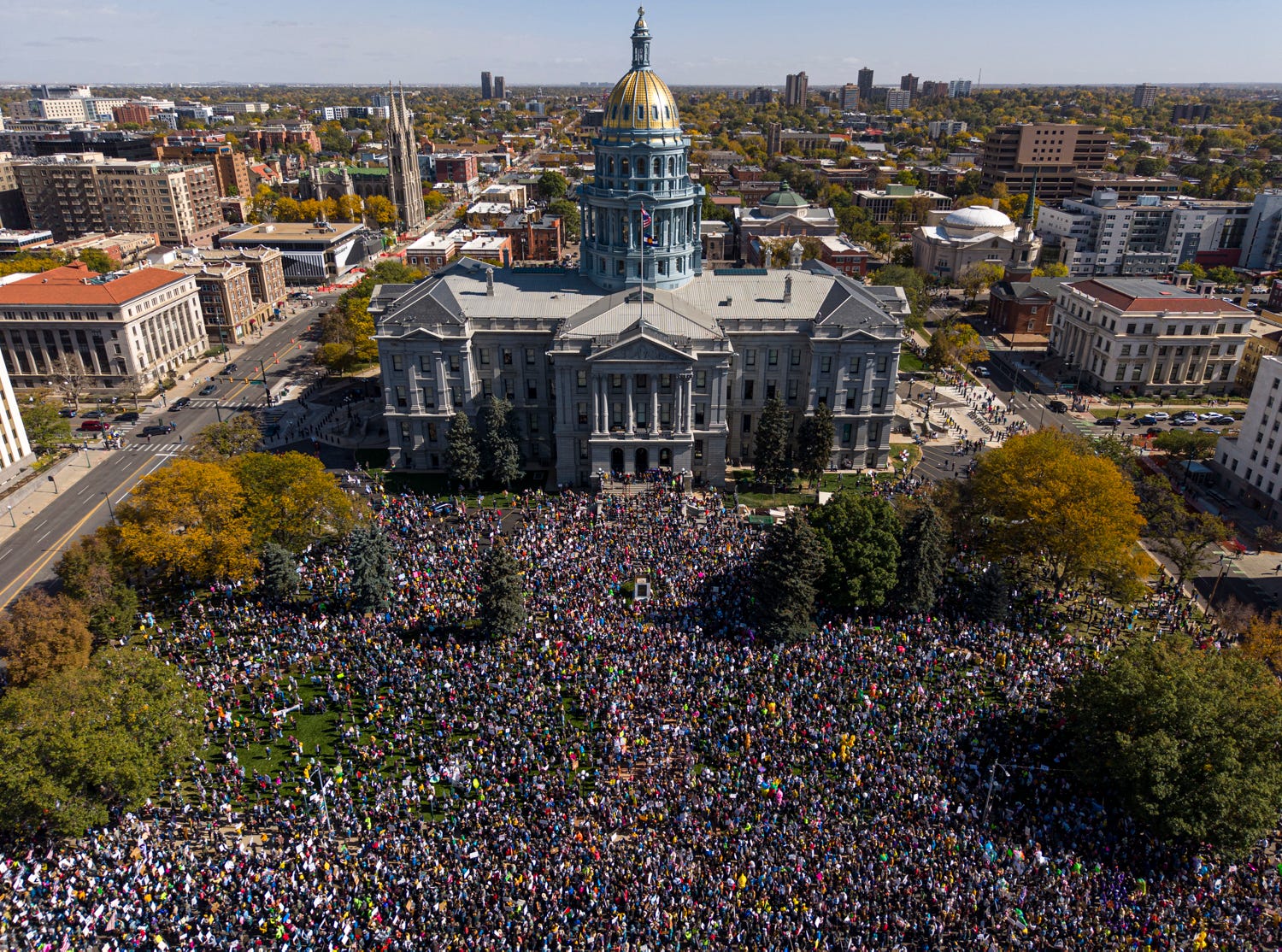
When you gather and when you demand redress, you are not stepping outside the American tradition. You are standing in the load-bearing center of it.
1831 to 1865: The long war on slavery
Resistance to slavery was constant, and it took every form available.
It was Nat Turner’s 1831 uprising in Virginia, which terrified slaveholders because it shattered the lie that the enslaved accepted bondage. (Encyclopedia Virginia) It was the Underground Railroad. It was Frederick Douglass and a generation of organizers. And from 1836 to 1844, it was abolitionists burying Congress in anti-slavery petitions until the House adopted a “gag rule” to table them unread, a rule John Quincy Adams fought year after year until it finally fell. (Britannica, John Quincy Adams)
They sent paper. Power panicked. That is how much organized moral pressure is worth, even before it wins.
1848: Seneca Falls writes a new declaration
In July 1848, organizers gathered in Seneca Falls, New York, and 100 women and men signed a Declaration of Sentiments that deliberately rewrote the founding line to read “all men and women are created equal.” (National Park Service)
It demanded more than the vote: property rights, education, custody, a public voice. Frederick Douglass backed it and printed the proceedings.
Seneca Falls makes a difference because it turned scattered grievance into an organized, documented, repeatable campaign.
1852: Frederick Douglass tells the truth about this exact holiday
Invited to speak for Independence Day in 1852, Douglass delivered his address on July 5 and asked what, to the enslaved, the Fourth of July truly was. He refused to let the nation enjoy its symbols without accounting for its contradictions. (National Park Service, Underground Railroad)
He didn’t hate America. He loved justice too much to applaud the lie. This weekend, we can do what Douglass did: celebrate what is real and name what is broken.
1865 to 1870: Freedom written into the Constitution, then attacked
Winning the Civil War ended slavery but it didn’t end the fight over who counted as fully human under the law.
The Reconstruction Amendments tried to remake the country: the 13th abolished slavery, the 14th guaranteed citizenship and equal protection, and the 15th barred denying the vote based on race. It was a second founding. And the backlash was immediate: Jim Crow, white supremacist violence, and court rulings that gutted the promise for nearly a century.
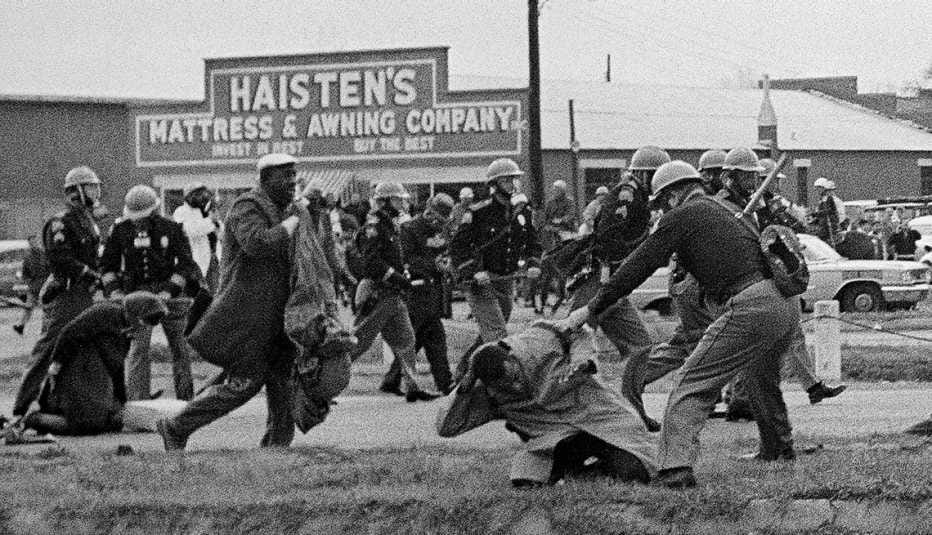
Rights must be defended after they are won, or they are quietly taken back.
1886 to 1937: Workers make democracy reach the workplace
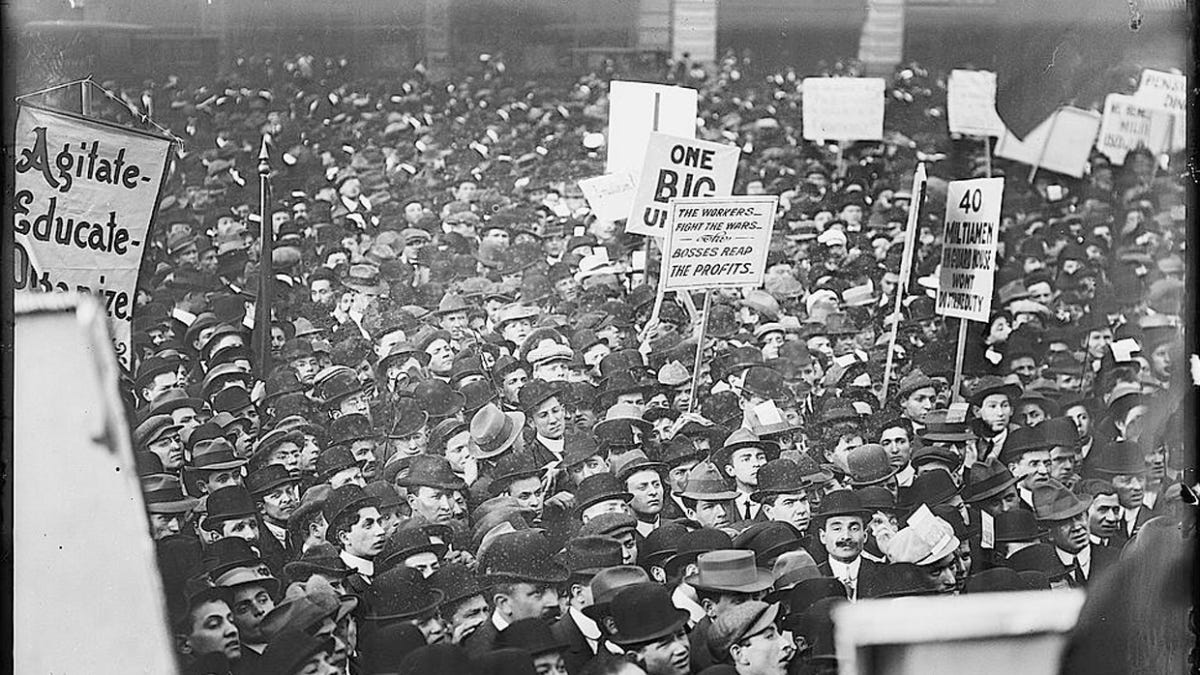
It runs from the 1886 fight for the eight-hour day through the 1911 Triangle Shirtwaist fire, which killed 146 workers, most of them young immigrant women, and forced sweeping safety reform. (Cornell ILR, Triangle Fire) It runs through the 1936 to 1937 Flint sit-down strike, where autoworkers occupied the plants and the Women’s Emergency Brigade kept them supplied until General Motors recognized the union. By 1935, the National Labor Relations Act made organizing a protected right.
Much of what we take for granted now, weekends, safety standards, collective bargaining rights, and overtime protections, began as demands long before they became law. The boss didn’t just wake up generous. Workers organized.
1955 to 1965: The movement that moved the country
The Civil Rights Movement won because people organized at every level at once.
It was the Montgomery Bus Boycott, which began in December 1955 and ran for more than a year. For nearly that entire time, Montgomery’s buses were virtually empty. Supporters walked as many as eight miles a day or used volunteer carpools. The National Park Service notes that Montgomery City Lines lost 30,000 to 40,000 bus fares each day, and the boycott stayed more than 90 percent effective. (National Park Service) It was lunch-counter sit-ins, Freedom Riders, voter registration drives, and the Selma marches, where the televised brutality of Bloody Sunday turned a local struggle into a national reckoning. The result was the Civil Rights Act of 1964 and the Voting Rights Act of 1965.
Dr. King framed the founding documents as a promissory note America had written to every citizen and then defaulted on for Black Americans. The movement came to collect.
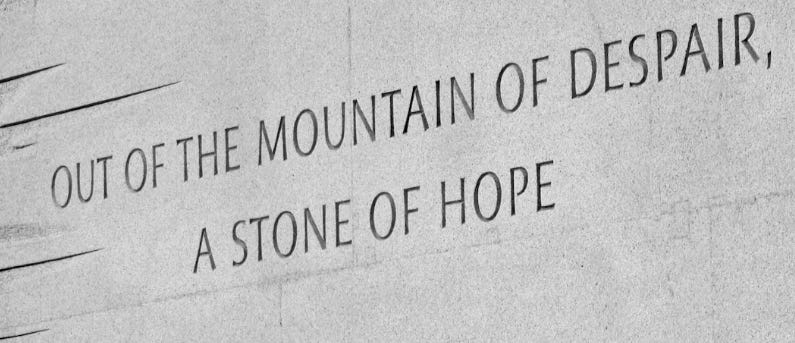
1965 to 1970: Farmworkers turn a grape into leverage
While the country watched the South, a different fight was growing in the fields of California.
Sparked by Filipino AWOC organizers including Larry Itliong and Ben Gines, and later joined by Cesar Chavez, Dolores Huerta, and the National Farm Workers Association, the Delano grape strike that began in 1965 turned into a national boycott. Organizers asked shoppers across the country to stop buying grapes until growers recognized the union. The boycott helped nationalize the farmworker struggle and put real economic pressure on growers. (National Park Service, The Delano Grape Strike and Boycott)
A grape is a small thing. Millions of people refusing to buy grapes, adds up. The farmworkers proved that a person with no wealth and no title still controls one decision the powerful can’t take: what they will and will not spend money on. This is leverage we carry with us into every store.
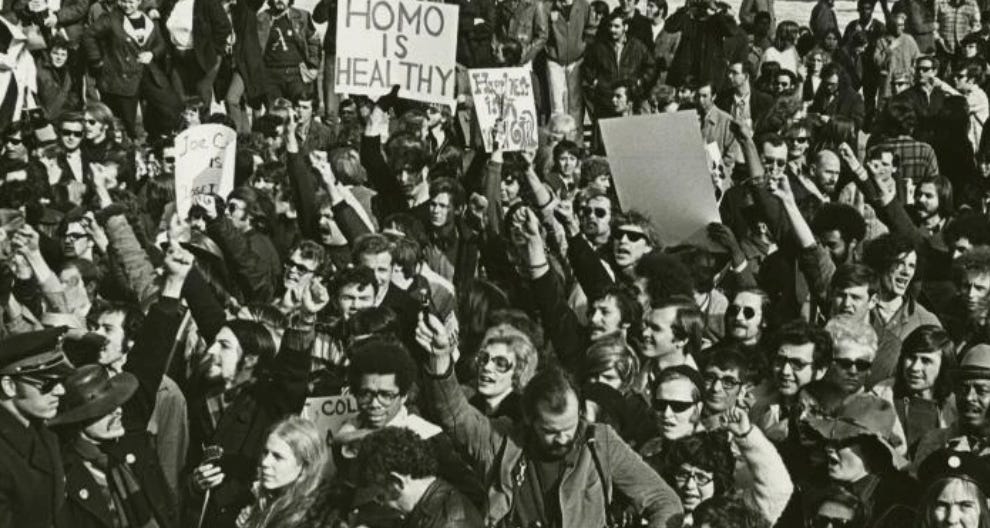
1969: Stonewall turns survival into a major movement
In June 1969, a police raid on the Stonewall Inn in New York met something the police did not expect: people who fought back, for days. (NPS)
It wasn’t the first act of LGBTQ+ resistance, but it became the catalyst that shifted queer politics from quiet survival to mass liberation. Pride began as a refusal to be raided, shamed, and erased.
When people say activism is too loud, remember that the people told to be quiet are the ones making history loud enough for the next generation to live in.
1969 to 1973: Native nations force the country to look
Indigenous resistance began the moment colonization did. But the Red Power era made it impossible to ignore in a new way.
The occupation of Alcatraz from 1969 to 1971 drew national attention to treaty rights and sovereignty. (Alcatraz Occupation) In 1973, the American Indian Movement and Oglala Lakota community members held Wounded Knee for 71 days over treaty violations and federal neglect. (Britannica, American Indian Movement)
No honest celebration of America can erase the nations who were here before America existed.
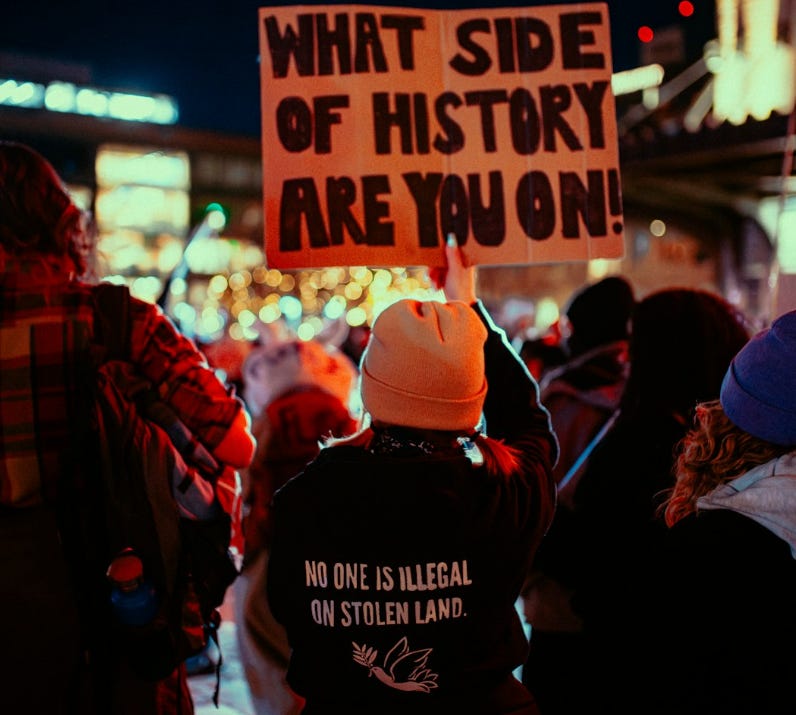
1969 to 1971: Dissent becomes an act of love
On October 15, 1969, an estimated two million Americans took part in the Moratorium to End the War in Vietnam, a nationwide day of demonstrations and teach-ins on campuses and in towns across the country, one of the largest demonstrations the nation had seen. (Michigan State University Libraries) The movement was messy, broad, and bitterly contested. It also moved the national conversation.
Dissent can be the highest form of care for the lives a government is willing to spend. That means just as much now in 2026 as it did in 1969.
1970: Grief becomes an plan | Earth Day
The first Earth Day in 1970 took a feeling millions of people carried and gave it meaning. Built on the teach-in model, it helped drive a wave of landmark environmental law. (EARTHDAY.ORG history)
Fear becomes a meeting. Anger becomes a law. Grief becomes a plan.
The planet needs us organized.

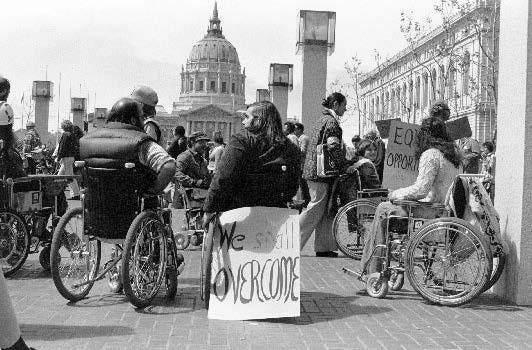
1977 to 1990: Disabled activists make access a civil right
In 1977, around 100 disabled activists occupied a federal building in San Francisco for nearly a month, the only Section 504 sit-in to continue past the first few days, to force the government to enforce disability rights it already promised under Section 504. They won! (504 Protest) Then the movement kept going, until the Americans with Disabilities Act became law in 1990.
Disabled people fought to be seen, and because they did, the United States became more accessible for everyone.
1987: ACT UP refuses to let people die quietly
During the AIDS crisis, government neglect and stigma were lethal. ACT UP formed in 1987 and used direct action and civil disobedience to force attention onto research, treatment access, and drug pricing. Its first demonstration, on Wall Street in March 1987, targeted the roughly $10,000-a-year price of AZT, the only approved AIDS drug at the time. (New York Public Library, ACT UP New York records)
Their line was Silence equals death, it’s true about every crisis. Power would rather bury the voices of the people.
When institutions move slow, people die. When people organize, institutions can be forced to move faster than they wanted to.
2006: A day without us
In the spring of 2006, an estimated six million people joined some 400 protest actions in more than 200 cities and towns against legislation that would have made felons of undocumented immigrants and the people who helped them. The bill, HR 4437, died in the Senate, and the mobilizations became a turning point in immigrant civic participation. (University of Washington, Mapping American Social Movements)
A country that runs on people it is taught not to see was being asked to look. Food systems, care work, construction, agriculture, the daily life of every neighborhood. Activism makes the invisible visible.
2013 to 2020: A national reckoning
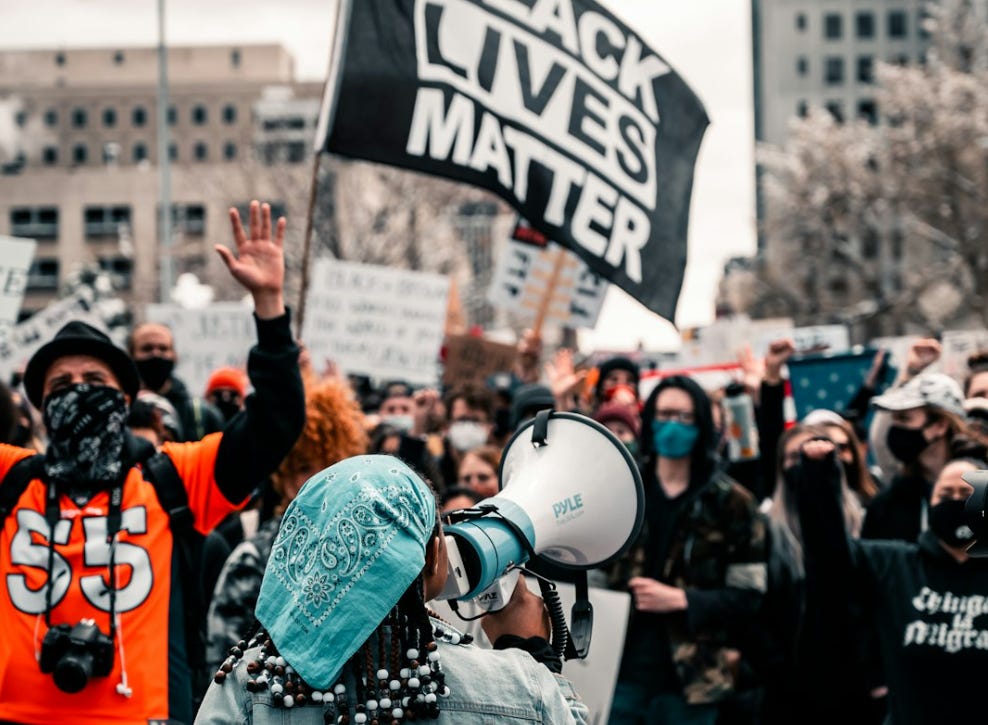
Black Lives Matter began in 2013 and grew through a decade of protest. After George Floyd was murdered in 2020, demonstrations spread to thousands of cities and towns, with researchers estimating 15 to 26 million participants. (Harvard Kennedy School)
Video revealed injustice and people had to decide whether to look away or speak up.
That is remembrance as resistance: saying the names a country tried to move past, and refusing to let it.
2017 to 2022: The streets stay full
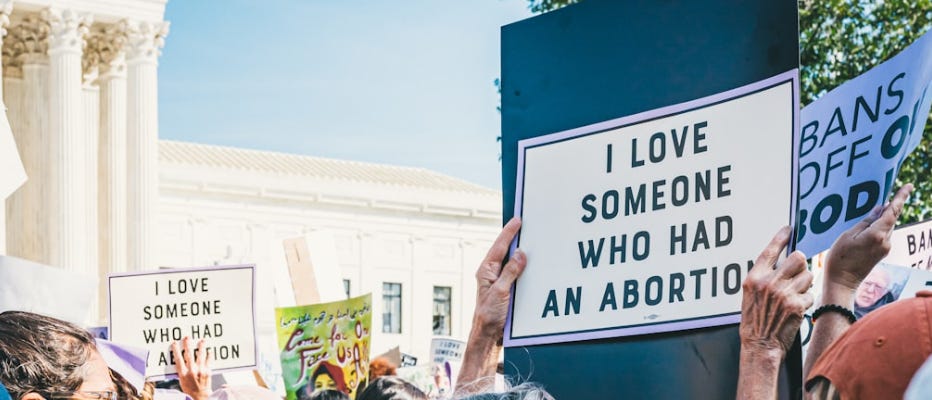
The 2017 Women’s March drew millions across the United States, with estimates ranging from 3.2 million to 5.3 million participants, making it the largest single-day protest in U.S. history at the time. (Britannica, Women’s March) In 2018, after the Parkland shooting, students led March for Our Lives, with hundreds of sibling events across the country and around the world. (March for Our Lives, EBSCO Research Starters) In 2022, when the Supreme Court overturned Roe in Dobbs v. Jackson Women’s Health Organization, people built abortion funds, ballot campaigns, and networks of care. (Dobbs opinion, Supreme Court of the United States)
2025 to 2026: No Kings, no exceptions
And now, us.
Across all 50 states, people have joined No Kings mobilizations against authoritarianism, executive overreach, and democratic backsliding. Organizers estimated that the first two rounds drew more than 5 million people in June 2025 and 7 million in October 2025. For March 28, 2026, CBS and AP reported that organizers estimated at least 8 million participants across more than 3,300 events worldwide. (CBS News)
What would you have done?
Stop for a second and put yourself inside one of the previous time eras where activism needed you. In times of reflection is where lesson lives.
It is 1977 in San Francisco, and you’re one of the disabled activists who just occupied a federal building to force the government to enforce a disability rights rule it kept stalling on. The sit-in lasts nearly a month. Some of you are here without easy access to attendants or medication. You sleep on office floors and nobody knows yet that you will win. You only know that leaving and giving up means the rule dies.
Or it’s 1955 Montgomery, and the boycott means you walk to work in the pouring rain with aching feet for more than a year, while people in charge wait for you to get tired and give up.
None of these people knew they were on the right side of history. They only knew which side of the line they could live with.
You’re being asked for far less than they were. You can see that you’re not alone. In fact, we have more power now than ever before. The people in power will never be stronger than the power of the people.
So what does celebrating as an activist look like?
It looks like refusing to hand the country’s best ideas to its worst people. The flag is not theirs. The word patriot is not theirs. And love of country was never meant to mean doing what you are told.
Patriotism is not loyalty to power. It is loyalty to people!
It shows up as small, unglamorous care. Making sure your neighbor gets home. Making sure your vote gets counted. Making sure a kid can sit in classrooms without being afraid, a worker can speak up without being fired, a family can stay together, and the truth outlives a news cycle.
Your Fourth of July action plan
Pick one or two, or however many you choose. Don’t overthink it.
If you have 15 minutes. Check your voter registration, then send the link to someone so they can check if they are registered.
If you have 30 minutes. Call or email a representative about an issue you care about. You can keep it short, specific, or ask for one concrete action.
If you have an hour. Make a sign. Build a QR sheet of local resources for a cookout table. Share a verified event. Help someone figure out how to show up.
If you have the weekend. Find a local action and go. Use the Women’s March action finder and Mobilize to check whether there is a local action near you, and confirm the time, location, and format before you go. Bring water, sunscreen, and a friend. Know your rights. Leave the space cleaner than you found it.
Then put July 17 on your calendar.
The John Lewis Good Trouble Lives On Weekend of Action runs July 17 to 19, built around Teach on Friday, Reach on Saturday, and Preach on Sunday: teach-ins, nonpartisan voter engagement, and community events nationwide. (goodtroubleliveson.org) John Lewis risked his life on a bridge in Selma so future generations could keep expanding the vote.
Good trouble is the assignment he left us.
If you can’t show up publicly, you can still help. Boost verified information by sharing. Make graphics. Offer rides. Talk about it. Translate materials. Call an older relative who feels alone. Reach out to your community. Check on your neighbors. The movement is not only the person with the megaphone. It’s everyone who keeps the work alive.

A note for the tired
You may be tired or feel like you have already given everything you have and the news keeps asking for more stamina.
Hear this clearly.,, You do NOT have to carry the whole country. You only have to carry your corner. One small action at a time, at your own pace.
One conversation. One share. One call. One sign. One ride. One person pulled back from the edge of giving up. We grow this person by person. One action at a time. The Montgomery walkers were exhausted too. The farmworkers who marched 280 miles to Sacramento were exhausted too.
Tired people built nearly every freedom we have.
Rest when you need to. Rest is how you stay in this long enough to win. Then come back, we will be here waiting for you.

This Fourth, you can make it mean something
Remember what the fireworks are supposed to stand for… Freedom. The freedom people fought for before us, the freedom that people are still being denied, and the freedom that no king has ever handed willingly to anyone.
Don’t let anyone make you feel strange for loving this country enough to demand better from it.
The Fourth belongs to the people. So be the people. Be the one who makes courage easier for somebody else.
50 States. 1 Movement. Together.
Doing something unique for the 4th? Share it so the next person can find inspiration from your idea.

Boy did I need to hear all this. Exhausted but I will never give up on standing up for the truth, compassion and love for my fellow human beings who deserve no less 💪
Democratic socialism is on the rise! The answer is clear and more people are convinced of its validity. The rabid Republicans and do nothing Democrats have met their Waterloo. Progressive philosophy brought America to the peak of humanitarian awareness and it cannot be defeated by the miscreants now in power. They are a house of cards, ready for collapse. November will see that happen. We'll win this battle but still fight the war for our civilization. Don't give up because history will honor you for your courage.