


📌 NOTE FOR NEW READERS: The 50501 Movement organizes peaceful action across all 50 states to defend democracy. This publication is nearly 100k readers strong and growing. If this resonates with you, hit subscribe.
TL;DR
5-year-old, Liam Ramos, was released from detention after sustained public attention. Transparency failures compounded harm instead of accountability. Immigration based bullying is being normalized in classrooms, shaping how kids understand belonging and safety. And we reviewed how economic leverage works through scale, coordination, and sustained pressure, not merely symbolic gestures. If you read one thing this weekend, read Thursday’s article on economic noncooperation.
MONDAY | When the public moves, outcomes move
5-year-old Liam Ramos was released and returned home because sustained public attention raised the cost of keeping him detained. Public pressure changes the incentive structure until reversal becomes the least costly option.
This isn’t new. The Montgomery Bus Boycott showed the same principle at scale that institutions move when the status quo becomes more expensive politically, reputationally, and economically than change.
Read: When We Move, Things Move
Liam Ramos was five years old. His release required sustained public attention across how many news cycles? What does that tell us about the attention span required for this work?
TUESDAY | Keep Talking About the Files
Professional standards for handling sensitive information already exist.
So does independent oversight to ensure those standards are applied consistently. And there should be consequences when an institution proves it can’t meet the most basic responsibility: protecting vulnerable people while pursuing transparency.
Demanding a competent process is insisting that “transparency” can’t be used as an excuse for negligence or as a spectacle that retraumatizes the very people the system is supposed to protect.
Demanding better process isn’t the same as demanding secrecy. It’s demanding that institutions do their jobs competently enough that transparency doesn’t become another form of harm. We keep us safe.
Read: Keep Talking About the Files
If “we keep us safe” is the standard, what are three specific things we should be demanding right now that would demonstrate actual institutional competence?
WEDNESDAY | When children become the battlefield
When adults normalize fear and uncertainty as political tools, children don’t get to opt out of absorbing those lessons.
We examined what happens in classrooms when some children carry quiet, constant question of whether their families will still be there when school ends and when other children begin to notice that certain people are being treated as less secure, less belonging, less protected by the systems that are supposed to apply equally.
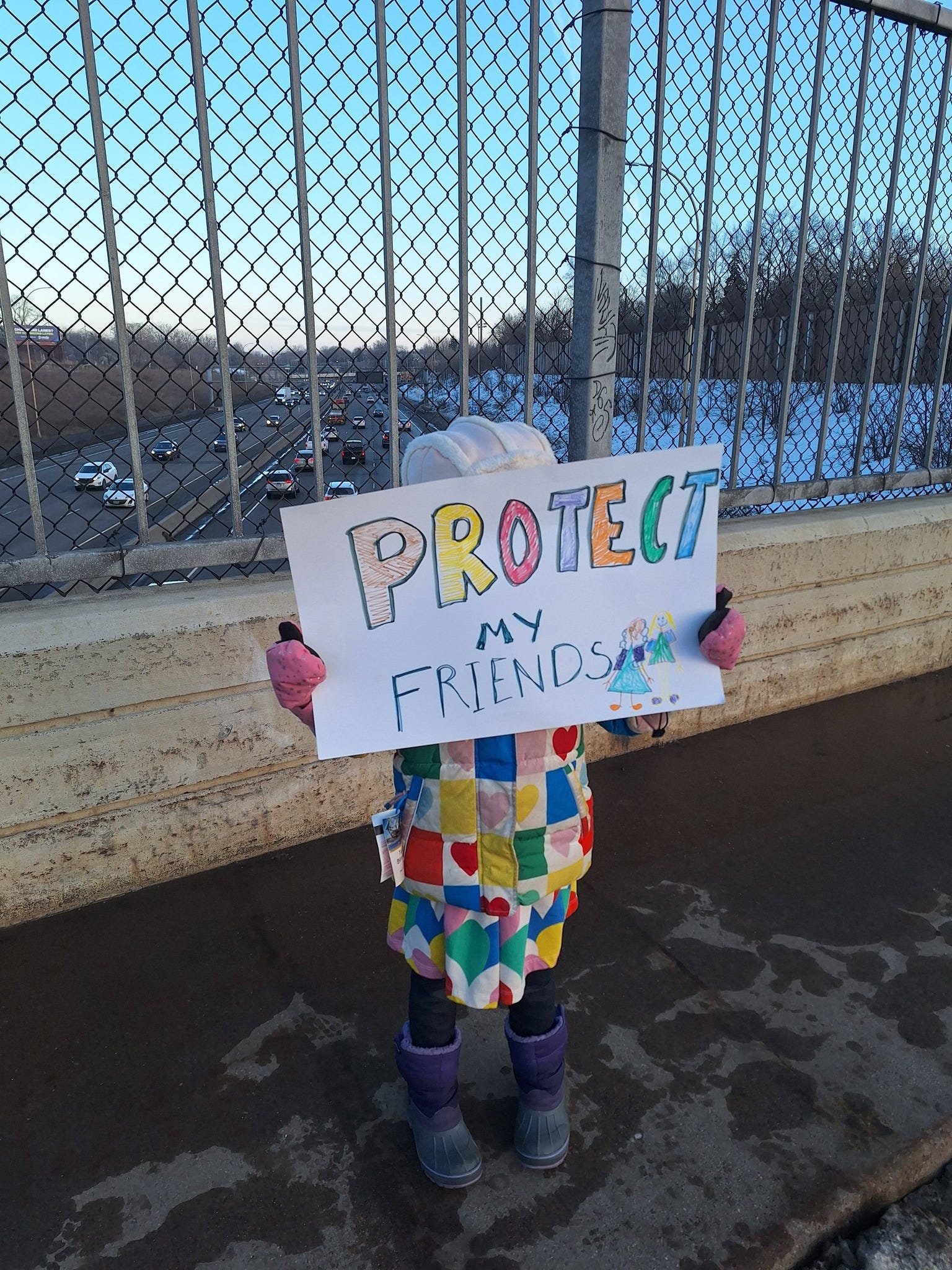
Hierarchies get learned through pattern recognition and reward structures.
Children are extraordinarily good at reading what the adults around them are signaling about who is deserving and who isn’t. And once those thought patterns locked in, they’re hard to unlearn. This is what happens when constitutional principles of equal protection under law get abandoned in practice, and children are left to navigate the resulting hierarchy on their own.
Read: “Will My Family Still Be Here When I Get Home?” | When Children Become Weapons
What would you want to say to a teacher trying to maintain constitutional principles of equal protection in a classroom where those principles are being abandoned in practice?
THURSDAY | What economic leverage is (and how it works)
Economic pressure works through scale, coordination, reputational risk to targeted entities, political responsiveness to constituent pressure, and sustained participation over time.
Thursday’s post walked through the how: how consumer spending represents roughly two-thirds of U.S. GDP, which means demand shifts are important when they’re widespread and sustained. How businesses respond to reputational risk when it threatens their market position. How elected officials respond when their constituents demonstrate they’re paying attention to who’s being protected and who’s being sacrificed.
Economic leverage used poorly can harm the most vulnerable people first which means if we’re going to use these tools, we have to use them with clear objectives, repeatable actions, realistic timelines, and honest accounting of who bears the cost if we do this wrong. This is systems-level education that helps us with our strategy.
Read: Economic Noncooperation
When was the last time you made a purchasing decision based on who you're willing to economically support and did you tell the business why?
BY THE NUMBERS
35.6% of U.S. public high schools surveyed reported bullying aimed at students from immigrant families which tells us that the policy level is translating into school hallways and playgrounds.
Household consumer spending represents roughly two-thirds of U.S. GDP, which means sustained demand shifts can create meaningful economic pressure when they’re coordinated and persistent.
A court pause is saved time. And time matters if we use it to build sustainable pressure rather than declaring premature wins.
We aren’t powerless but power requires structure, coordination, and the willingness to maintain pressure past the initial emotional response.
HOW TO HELP THIS WEEK
Share one post with one person who’s been consuming news without a clear sense of what to do with it.
Sometimes the most valuable thing we can offer is a framework for understanding how systems respond to pressure or how they function.
If Thursday’s post on economic noncooperation resonated, comment with what kind of sustained action feels realistic for your household. We need to know what’s actually sustainable, and not just what sounds good in theory:
We don’t need steady and consistent commitment. This week demonstrated again that when people maintain steady, organized pressure, institutions will respond.
COMING UP
February 17: National Day of Lobbying. Show up in your representatives’ district offices and demand impeachment, conviction, and removal. In-district pressure matters more than phone calls to D.C. offices.

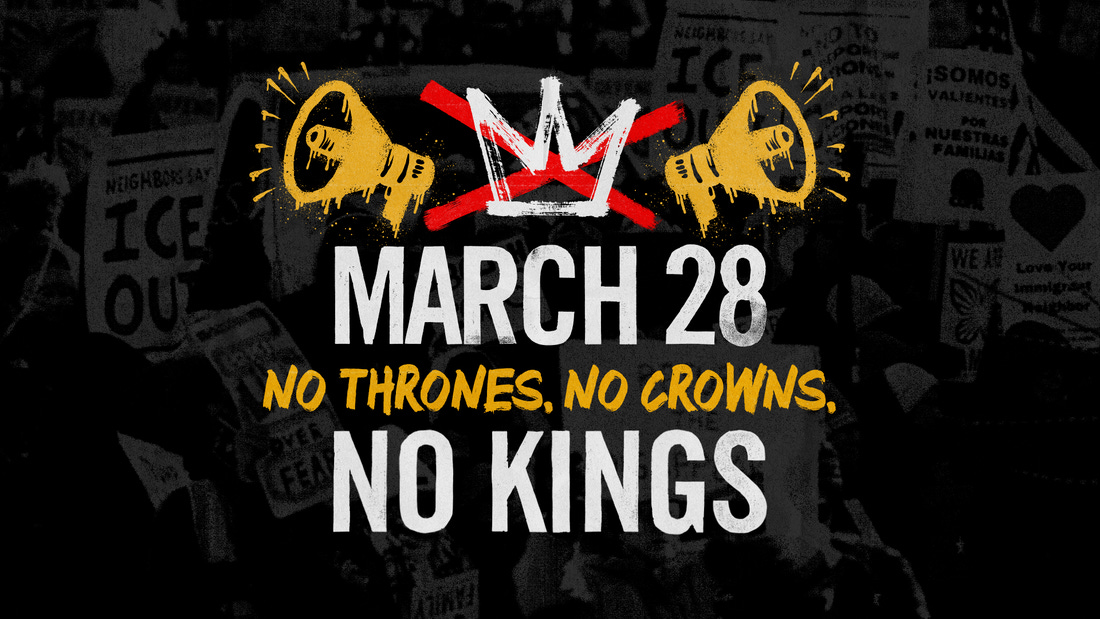
March 28: The next NO KINGS mass mobilization. If you missed the announcement, read it here: ANNOUNCEMENT: The Next NO KINGS Mobilization. If you’re a beginner organizing locally, use this guide: How to Organize a Protest.
☕ If you buy me a coffee, let me know your favorite so I can give it a try!
Thank you for your support!

The economic disengagement needs to happen! It can't be for a day or two... it needs to be for months! The Montgomery Bus boycott was over a year long.
This is the best path forward!
We have made a small difference and impacted Target and Tesla. These need to continue! However, we need a massive lengthy boycott against Amazon. Jeff Bezos is political prostitute!
Please organize this! Let's start this Amazon boycott now before the next No Kings protest!
Your poll needed an 'All Of The Above Option' for what economic actions are you willing to take...