


📌 NOTE FOR NEW READERS: This is an independent publication covering 50501, No Kings, and the broader pro-democracy and civic-action ecosystem. We cover the forces shaping this moment, the communities pushing back, and the peaceful actions taking shape across the country. Read by thousands, subscribe to join our community.
Saturday’s post captured the cultural layer of March 28, while Monday mapped its scale: 3,200+ events across all 50 states and over 16 countries. Tuesday placed it in historical context, showing March 28 became the largest single-day protest in modern U.S. history. Wednesday focused on participant impact. Thursday shared what’s next: May 1: Workers Over Billionaires.
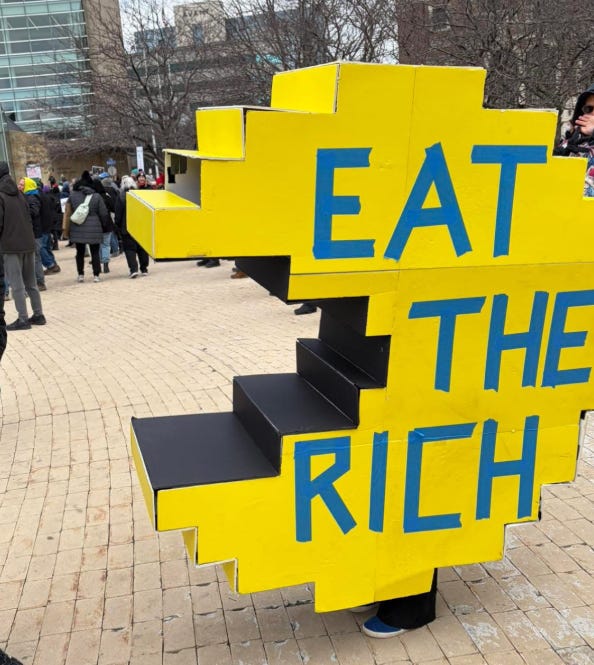
SATURDAY: Chants and Songs for No Kings + ~70 No Kings Sign Ideas
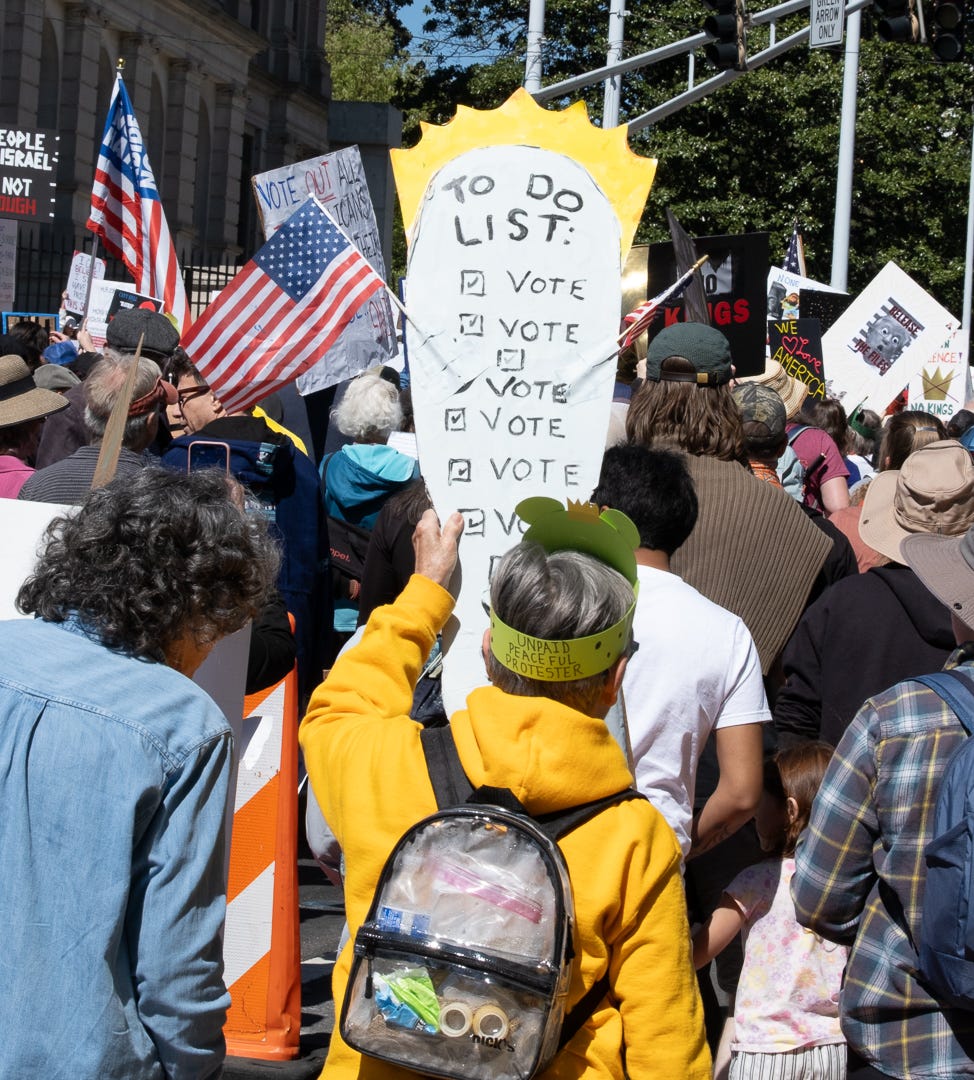
The chant sheet gave organizers and first-time protesters a glimpse into some popular chants. “Tell me what democracy looks like / This is what democracy looks like” has been a favorite through American demonstrations for decades, drawn from the labor organizing tradition. The sign ideas, crowdsourced from readers in our subscriber community chat, gave people creative inspiration before they headed to the streets. And the playlist from Pete Seeger’s “We Shall Overcome” to Gangstagrass’s “No Kings In The USA” helped turn any anxiety into rhythm and solitude into motivation.
Read the full post about Chants and Songs by clicking here
Read the full post about 70 No Kings Sign Ideas by clicking here
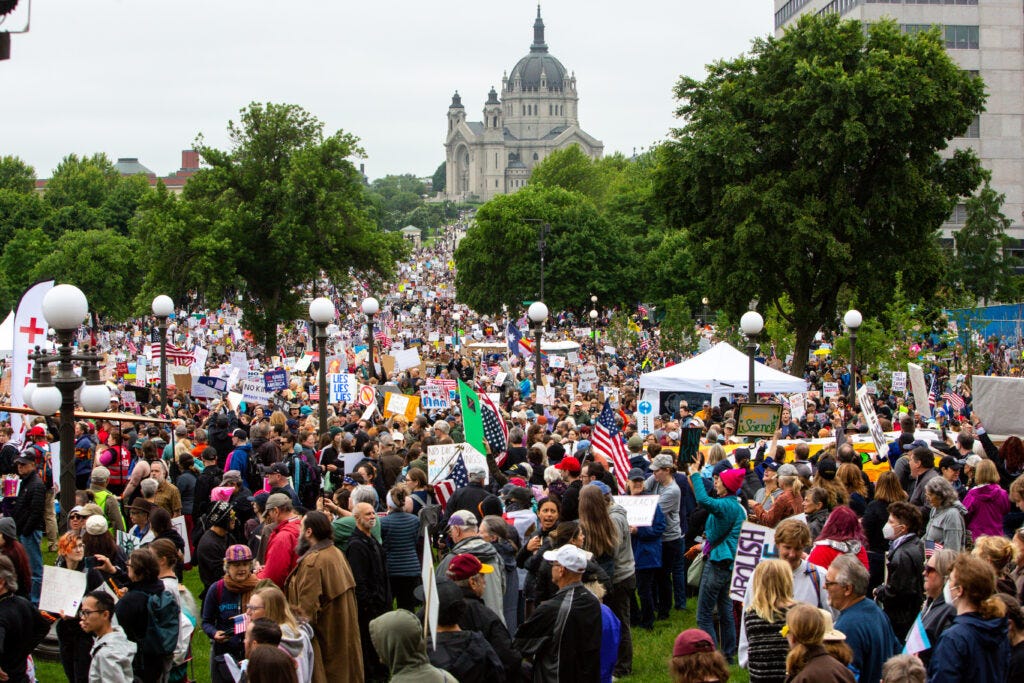
MONDAY: No Kings 3 Was Everywhere
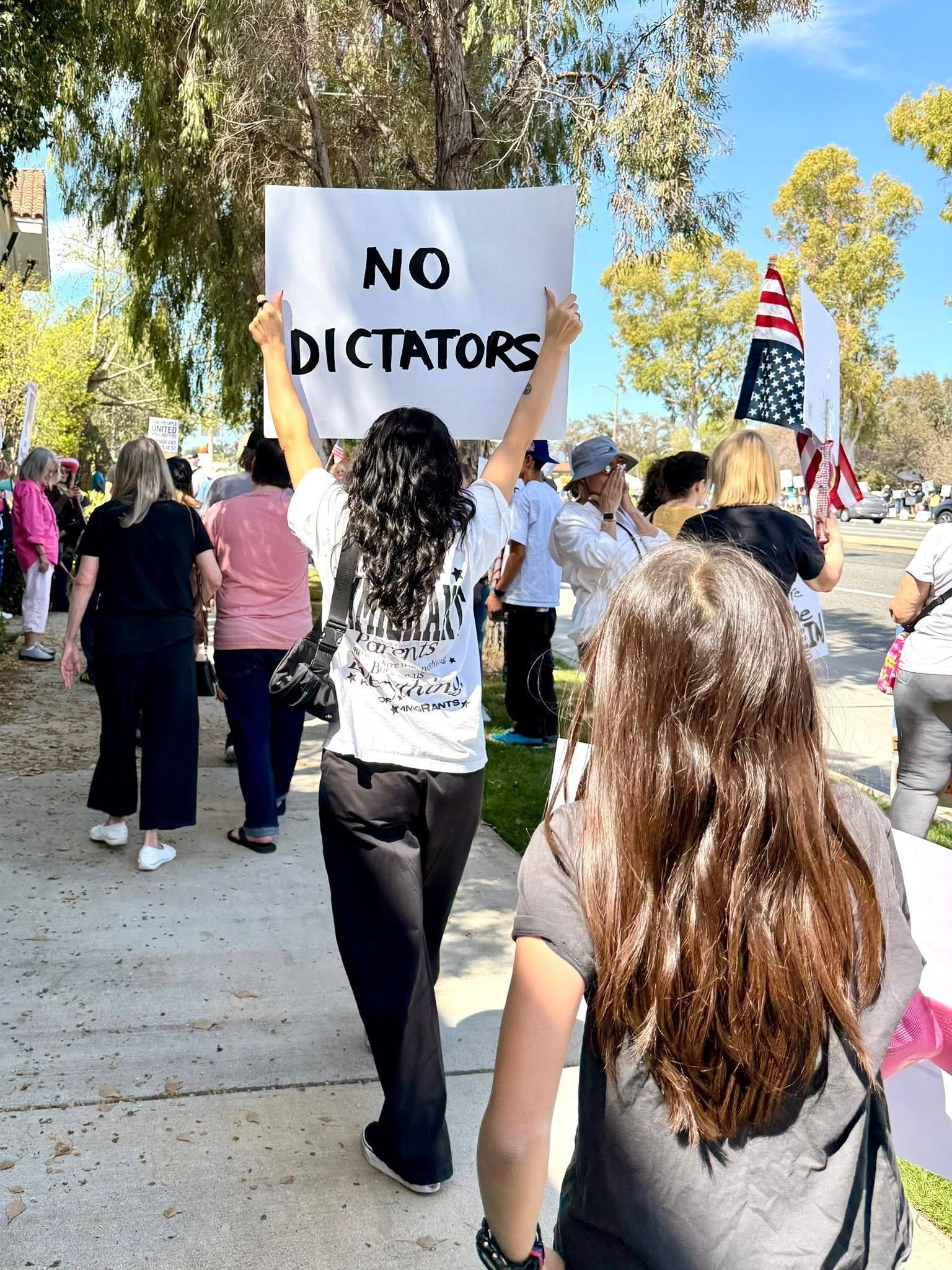
The flagship event in St. Paul drew over 100,000 people to where federal agents killed Renée Good and Alex Pretti earlier this year, where Bruce Springsteen performed, and where Senators and governors took the stage.
In Albuquerque, 50,000 people marched peacefully for three miles.
In Birmingham, Alabama, 7,000 turned out.
In Hagerstown, Maryland, 2,500 to 3,000 rallied just miles from the warehouse ICE wants to convert into a 1,500-bed detention center.
In Driggs, Idaho a town of fewer than 2,000 people in a state Trump carried with 66% of the vote people showed up too.
The post also preserved an important distinction, the vast majority of March 28 was peaceful. In Los Angeles, AP reported dozens of arrests near a federal detention center after a dispersal order while describing the overall demonstrations as vast and largely peaceful. The exceptions made headlines precisely because the broader outcome of the day was different.
Read the full post from Monday by clicking here
TUESDAY: 8 Million People, 3,300 Events, One Historic Day
More than 8 million people participated in over 3,300 No Kings events across all 50 states and in at least 15 countries.
In June 2025, roughly 2,100 events drew about 5 million people. In October, 2,700 events drew 7 million. On March 28, more than 3,300 events drew at least 8 million. That is a movement that has added roughly 3 million people and 1,200 events in nine months. CNN reported that nearly half of March 28 protests took place in GOP strongholds. Texas, Florida, and Ohio each had more than 100 events. Two-thirds of RSVPs came from outside major urban centers.
The Center for American Progress pointed to what political scientists call the 3.5% threshold, the proportion of a population engaged in sustained nonviolent action that historically corresponds with major political change, roughly 12 million Americans. At 8 million, the movement sits at approximately 2.4% of the population. Three consecutive mobilizations trending upward, pulling deeper into suburbs and small towns in every region, is how that threshold gets reached.
The administration dismissed the protests as the product of “leftist funding networks.” The president’s approval rating sat at 36%.
Read the full post from Tuesday by clicking here
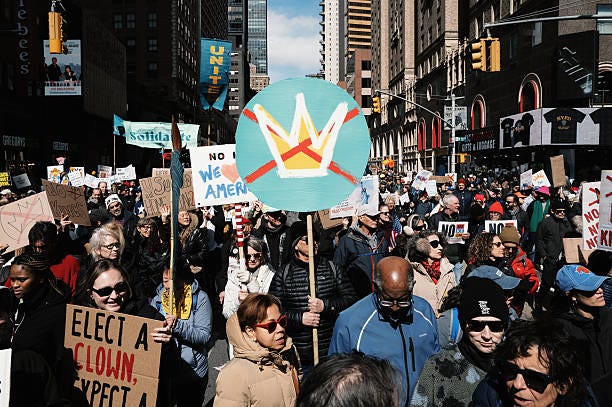
Boston exceeded 180,000, with 162 events across Massachusetts. Seattle drew between 75,000 and 100,000, its largest No Kings turnout yet, growing from 70,000 in June to 90,000 in October. New York saw organizer estimates above 350,000, with the NYPD reporting 0 protest-related arrests. San Diego brought 40,000 downtown. Providence, a smaller capital city, drew 35,000. Pittsburgh exceeded 15,000. Albuquerque marched 50,000 strong through three miles of streets.
Each of those numbers represents a person who made a decision to leave their house, stand with strangers, and be counted. That decision, multiplied 8 million times, is civic power.
WEDNESDAY: What Our Community Carried Home From March 28
Laura wrote that she was sharing the day with her 86-year-old mother. Frankie, who turns 67 this summer, described watching older Americans show up with walkers and signs, standing up to what they refused to accept. Kathryn noticed more young people this time, including kids who were the ones asking their parents to go. Brian wrote from Olean, New York, where more than 500 people came together across generations.
Karen described “happy crowds, smiling and engaging with others.” Vicki described shared experiences that create civic memory, the kind younger people witness and older people pass on. There is a reason authoritarian movements work so hard to make dissent look angry, unstable, and fringe. Joy threatens their narrative. Community is what makes people come back.
Not every reflection was celebratory. Some readers left their marches wanting sharper strategy, stronger economic pressure, clearer paths from protest to consequence.
Read the full post from Wednesday by clicking here
THURSDAY: 🚨 ANNOUNCEMENT: May 1 Is Next. Find Your Local Action!
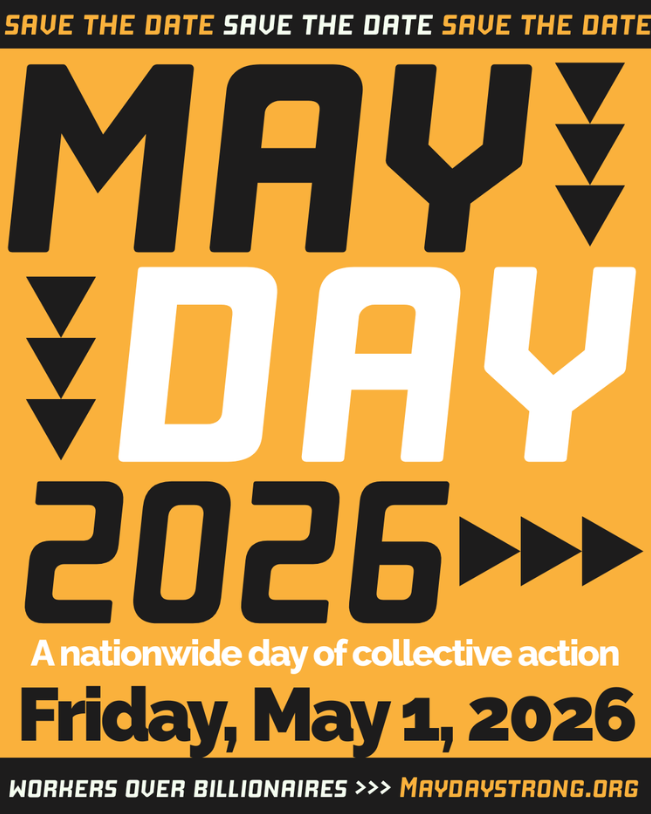
May 1.
May Day Strong is building a nationwide day of rallies, marches, walkouts, and community action under one demand: a country that puts workers over billionaires.
In many cities, the call is “No Work. No School. No Shopping.” May Day ties the fight for democracy directly to what people are living through every day, the cost of groceries, the paycheck that doesn’t stretch, public schools losing funding, immigrant neighbors afraid to go to work.
The National Education Association is mobilizing educators in hundreds of cities. The Chicago Teachers Union passed a resolution declaring May 1 a Day of Civic Action. Labor Notes reports that nearly 100 solidarity schools have already been planned. The national organizing call is April 9.
May Day has deep roots in American labor history. The eight-hour workday, the end of child labor, the establishment of workplace safety standards, these were won through collective action, often on May 1, and often at great cost. The frame of “Workers Over Billionaires” connects the democracy crisis to the economic crisis in a way that March 28’s broader messaging intentionally left room for.
Read the full post from Thursday by clicking here
COMING UP
May 1 May Day Strong:
Workers Over Billionaires.
Rallies, marches, walkouts, community actions nationwide. No Work. No School. No Shopping. Find your local action at maydaystrong.org. Toolkits and resources are already live.
March 28 brought 8 million people into the streets. For many, it was a first protest. For others, it was a third. Some came home energized. Some came home impatiently determined for more.
What’s something you’re doing between now and May 1 to turn Saturday’s energy into something lasting? (A voter registration drive? A conversation with a neighbor? Joining a local 50501 chapter? Showing up at a representative’s office? Shifting spending to values-aligned businesses?)
Thank you for marching, for reading, for sharing. We’re paying attention, we’re organized, we’re not going anywhere.
See you on May 1.
Blue
It was great on March 28th to be with so many people that feels the same way I do. It really renews your faith in people!
#MakeAmericaTrumpless
Boycotting Amazon / Jeff Bezos, Facebook/ Mark Zuckerberg, and Starlink / Elon Musk the richest of the richest. We are funding MAGA Rats through these Trump supporters. I can do without whatever it is they offer.
The Police have always monitored without involvement our protest here in Kerrville Texas but this time they did stop 3 trucks that sped by, accelerating to blow black diesel smoke on us. No Trump Train that continually circled the Courthouse where we march this time. Lots of middle fingers pointed our way.