


📌 NOTE FOR NEW READERS: The 50501 Movement organizes peaceful action across all 50 states to defend democracy. This publication is nearly 100k readers strong and growing. If this resonates with you, hit subscribe.
SUMMARY:
ICE is arresting more than 1,000 people per day, with nearly half of those arrests occurring through local jail cooperation rather than direct federal enforcement actions.
The Trump administration’s second-term deportation push has escalated dramatically, but state and local governments that refuse to cooperate have successfully limited overall deportation capacity below federal targets.
Data shows stark differences between states that mandate ICE cooperation versus states that restrict it, proving that local policy choices directly impact how many people enter the deportation system.
Communities have concrete leverage points such as county policies, state legislation, and sheriff elections all determine whether local jails function as deportation pipelines.
This article examines newly released federal arrest data showing how U.S. Immigration and Customs Enforcement increasingly relies on local jails to detain and deport immigrants and why state and local policy decisions matter more than ever in shaping immigration enforcement in 2025.
The numbers coming out of federal immigration enforcement tells us that more than 1,000 people per day are being arrested by Immigration and Customs Enforcement across the United States.
Nearly half of those arrests are happening in your local jails.
The Prison Policy Initiative released new analysis on December 11th drawing on data from the Deportation Data Project, tracking ICE arrests through mid-October 2025. What the data reveal is a deportation system that has quietly transformed county jails and municipal lockups across America into the front lines of federal immigration enforcement.
Forty-eight percent of ICE arrests now occur through local jail cooperation, meaning the person wasn’t picked up by federal agents on the street or at a workplace raid. They were handed over by local law enforcement after being arrested for something else entirely.
Someone gets pulled over for a broken taillight in suburban Ohio. Or arrested for shoplifting in rural North Carolina. Or picked up on a bench warrant for unpaid traffic tickets in Arizona. They go to the county jail, where in many jurisdictions their information is automatically shared with ICE through databases or direct notification systems. Before they’ve been convicted of anything, before they’ve seen a judge about their original charge, ICE places a detainer essentially asking the local jail to hold the person beyond their release date so federal agents can come pick them up.
The local jail complies. The person who came in on a minor charge never makes it home. Instead, they’re transferred to ICE custody and enter the deportation system, where they face removal proceedings often without access to an attorney, sometimes without their family even knowing where they’ve been taken.
At points in 2025, jail-based ICE arrests rose above 500 from day to day across the country.
The data makes it clear that ICE’s enforcement capacity doesn’t depend primarily on the number of federal agents in the field. It depends on whether your county sheriff, your municipal police department, and your local detention facility choose to cooperate.
Geography of Cooperation and Resistance
What the Prison Policy Initiative analysis shows is that state policy choices create dramatically different outcomes.
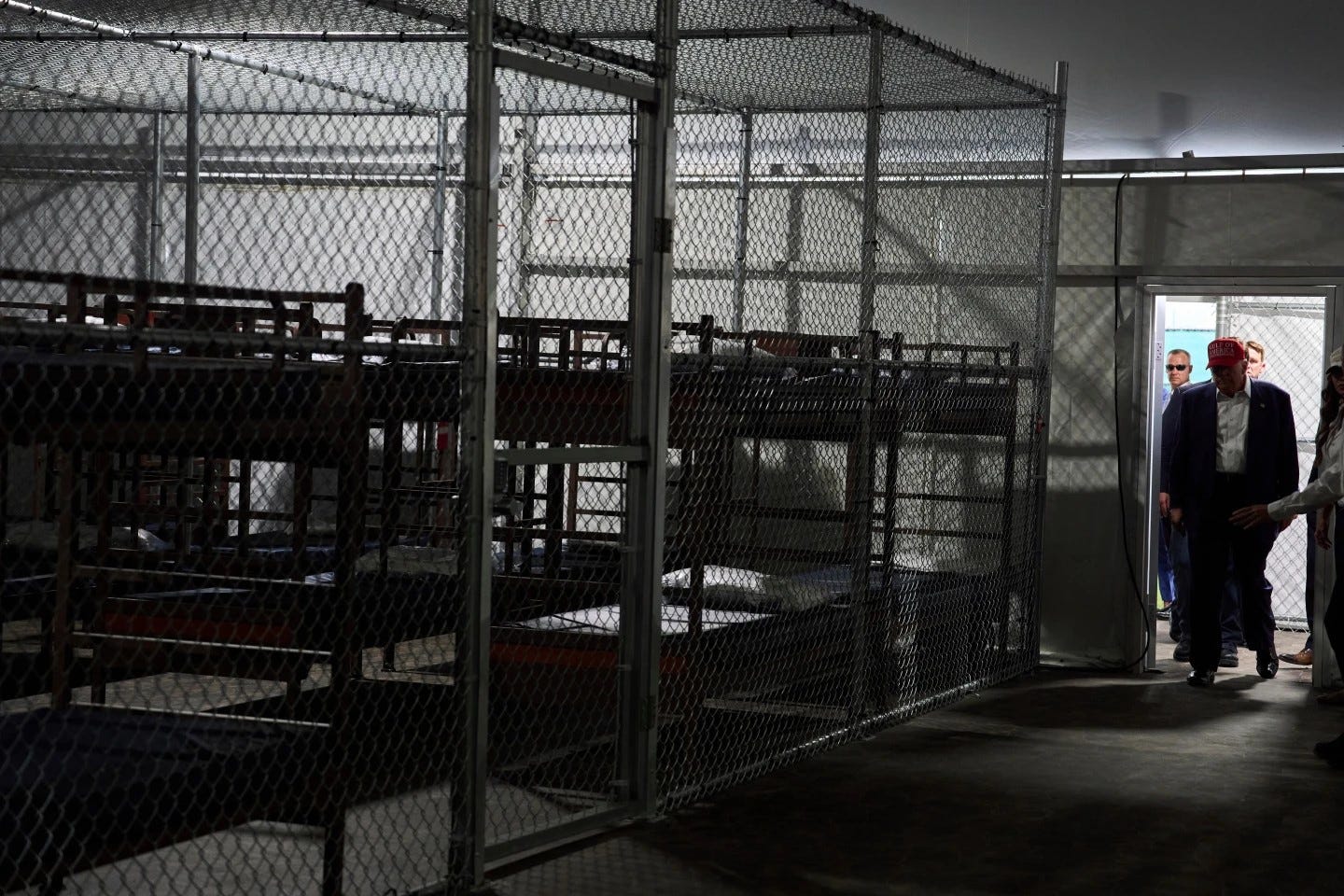
States that mandate cooperation with ICE, particularly those that have entered 287(g) agreements allowing local law enforcement to function as deputized immigration agents, show significantly higher arrest rates from jails.
States that have enacted laws restricting ICE access to local facilities or prohibiting local law enforcement from detaining people solely on immigration detainers show measurably lower rates.
Illinois, New York, and Oregon have state-level policies that constrain local cooperation. The data shows lower jail-based ICE arrest rates in these states compared to states with formal federal agreements. This is measurable impact from state legislative action.
The Trump administration’s second-term enforcement escalation has been aggressive and broad, expanding enforcement into community spaces and everyday interactions. But states that refuse to cooperate are successfully limiting federal deportation capacity.
The administration has not hit its stated deportation goals precisely because enough jurisdictions are saying no.
This is federalism functioning as the Founders intended it, state and local governments acting as checks on federal power when that power threatens individual liberty and due process.

What Happens to the People
People who were arrested for minor offenses (sometimes offenses they’re never even convicted of) find themselves in removal proceedings that can permanently separate them from their families.
The procedural legal technicalities that entangle them have nothing to do with public safety and everything to do with expanding the deportation net as wide as possible.
ICE has systematically made it harder for people in detention to access legal representation.
They’ve moved to eliminate bond hearings and conventional release mechanisms.
They’ve transferred detainees to remote facilities far from legal aid organizations and family support systems.
The entire apparatus is designed to make it difficult for people to fight their cases effectively, even when they have valid claims to remain in the country.
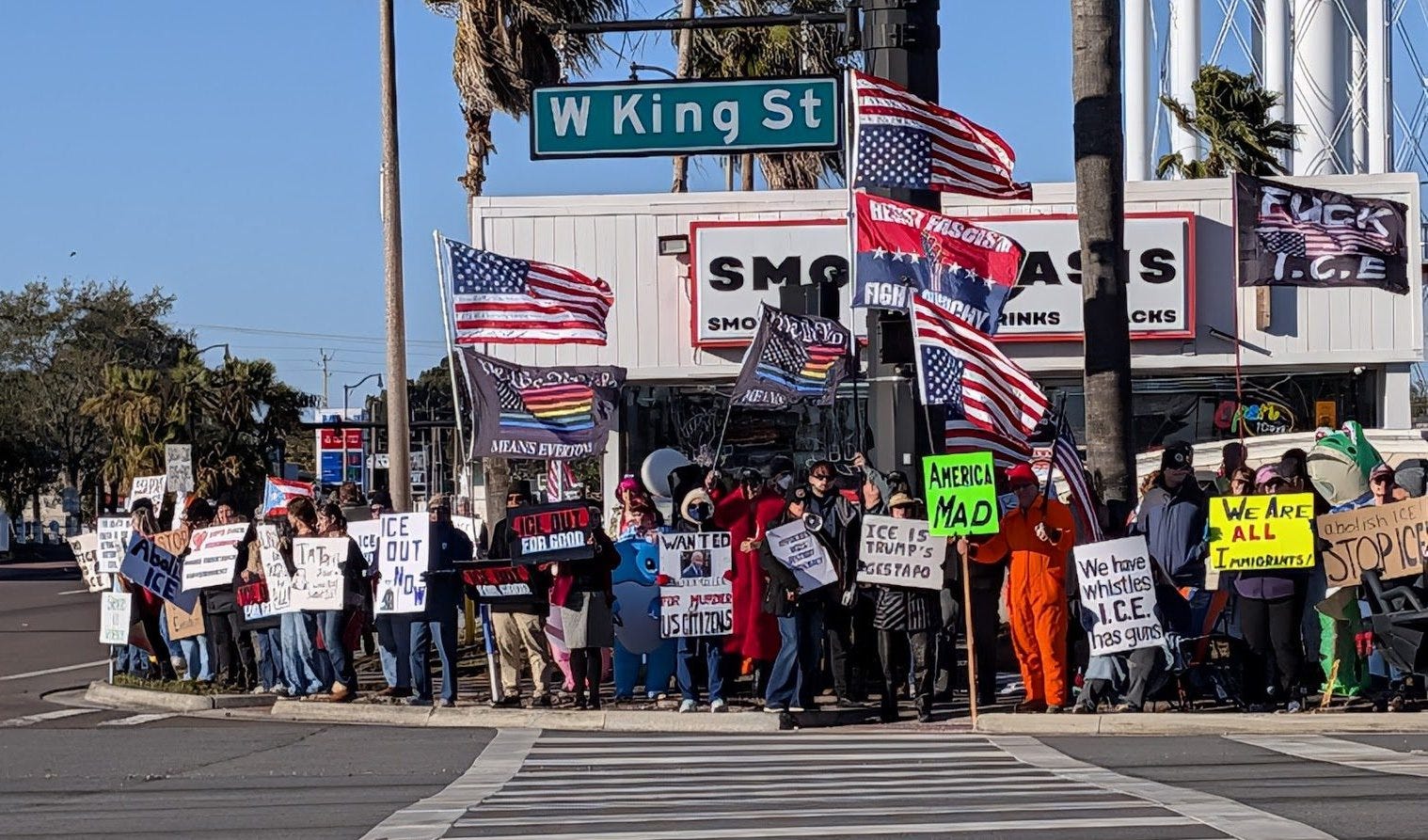
Communities from New Bedford, Massachusetts to counties across Kentucky and North Carolina are reporting growing fear as enforcement sweeps continue and jail-based transfers increase.
Families are afraid to call police when they need help. Workers are afraid to report workplace violations. And children are missing school because parents are afraid to drive them there.
Where Leverage Exists
Federal immigration enforcement in 2025 is not unstoppable. It depends on state sheriffs and county commissioners and city councils making choices about cooperation.
These are also the pressure points where organizing and advocacy can achieve concrete results.
Communities can demand that their county boards pass resolutions prohibiting cooperation with ICE detainers.
State legislatures can codify restrictions on ICE access to local jails.
Public defenders can expand Know Your Rights training and early legal intervention for people facing potential deportation.
The data shows these work. When local governments refuse to serve as extensions of federal deportation machinery, they reduce ICE’s operational capacity and protect due process. They keep families together and uphold the principle that the federal government cannot commandeer state and local resources for federal enforcement purposes without consent.
The data has given us a map of where power operates in the current deportation system and where we should put our focus.
Immigration enforcement in 2025 doesn’t happen without local cooperation. Local cooperation is a choice. It’s a political choice made by elected officials who can be pressured, challenged, and replaced.
Sources & Additional Reading
This analysis draws on new ICE arrest data released through the Deportation Data Project and analyzed by the Prison Policy Initiative.
For the full briefing and underlying data, see: https://www.prisonpolicy.org/blog/2025/12/11/ice-jails-update/
American Immigration Council | “Immigration Detainers: An Overview” https://www.americanimmigrationcouncil.org/fact-sheet/immigration-detainers-overview/
ICE | Delegation of Immigration Authority: Section 287(g) and map.
What’s happening in your community? Does your county cooperate with ICE? Have you seen organizing efforts around this issue? Share with us below.

COMING UP:
February 17: National Day of Lobbying.
Show up in your representatives’ district offices and demand impeachment, conviction, and removal. In-district pressure matters more than phone calls to D.C. offices. Visit here for more: citizensimpeachment.com/feb17

March 28: The next NO KINGS mass mobilization.
If you missed the announcement, read it here: ANNOUNCEMENT: The Next NO KINGS Mobilization. If you’re a beginner organizing locally, use this guide: How to Organize a Protest.

☕ If this article earned you a coffee-level nod, there’s a button below, thank you for supporting this publication!
‘Grind the country to a halt’: Democratic Senator urges national strike if Trump meddles in midterms.
From The Guardian
“The Democratic senator from Arizona ,Ruben Gallego has proposed that, should Donald Trump try to sabotage the midterm elections, Americans should respond with a general strike that would “grind the country to a halt”.
“If we have to destroy the stock market to save democracy, we need to accept that and, more importantly, the richest and the most powerful people in the world and in this country need to understand that that is a real possibility. There is no economic stability without democratic stability. If you take away our democratic stability, we will take away the economic stability.”
From The Peaceful Solution:
All praise to the Senator for proposing a meaningful method to oppose the fascist takeover of the country. We need people of his stature to lead this effort.
It is past time to escalate the resistance, and this proposal would certainly do that. But for many people, if you don’t work, you don’t get paid. And for how long could most people keep it up? And with AI coming for a lot of people’s jobs, this would be the perfect opportunity for businesses to fire a lot of people.
Here’s another proposal that will work as well, without the collateral damage:
The Peaceful Solution-Part 1
How much do you want to stop His Royal Heinous and the fascist takeover of the country?
Enough that you’re willing to make a small sacrifice? Like altering your spending habits for a month or two or three? That could be all it would take to get the attention of the oligarchs (formerly known as The Robber Barons in the first Gilded Age, also The Fat Cats, The Greedy Bastards).
A brief demonstration of We, the People’s, power of the purse could persuade them to quit supporting HRH and the politicians who enable him.
We quit spending, except on essentials, businesses lose money, stock market goes down, Greedy Bastards pay attention to our demands.
Greedy Bastards own most of the politicians of both major parties. GBs start losing money, tell politicians to change course and do what We, the People want.
We are running out of peaceful options. The legislature and Supreme Court are controlled by HRH. He controls the executive branch, including the Military, Justice Department, FBI, ICE, the IRS. He controls all levers of power.
We, the people, still have the power of the purse. No one can control our spending, or lack of spending. When all else fails we can go on a spending strike until the business community stops supporting HRH and the politicians who enable him.
Economic warfare is the only thing the oligarchs, the business community will understand and act on. Call it a Surreptitious General Strike (Quiet Quitting). Go to work, do as little as possible. Stop spending money except on essentials. Quit feeding the corporate beast that supports the HRH.
Stop participating. Nearly 70% of the U.S. economy is driven by consumer spending. All of us. Hobble the economy and the stock market. Mahatma Gandhi drove the British from India by peaceful civil disobedience and economic disruption. We can stop the fascist takeover in the same way.
We can keep rehashing past and present atrocities until our access to the internet is taken away by the regime, or we can DO something!
Now is the time for this Peaceful Solution.
So helpful. Thanks!