


📌 NOTE FOR NEW READERS: This is an independent publication covering 50501, No Kings, and the broader pro-democracy and civic-action ecosystem. Subscribe to join our community and to keep us posting.
TL;DR:
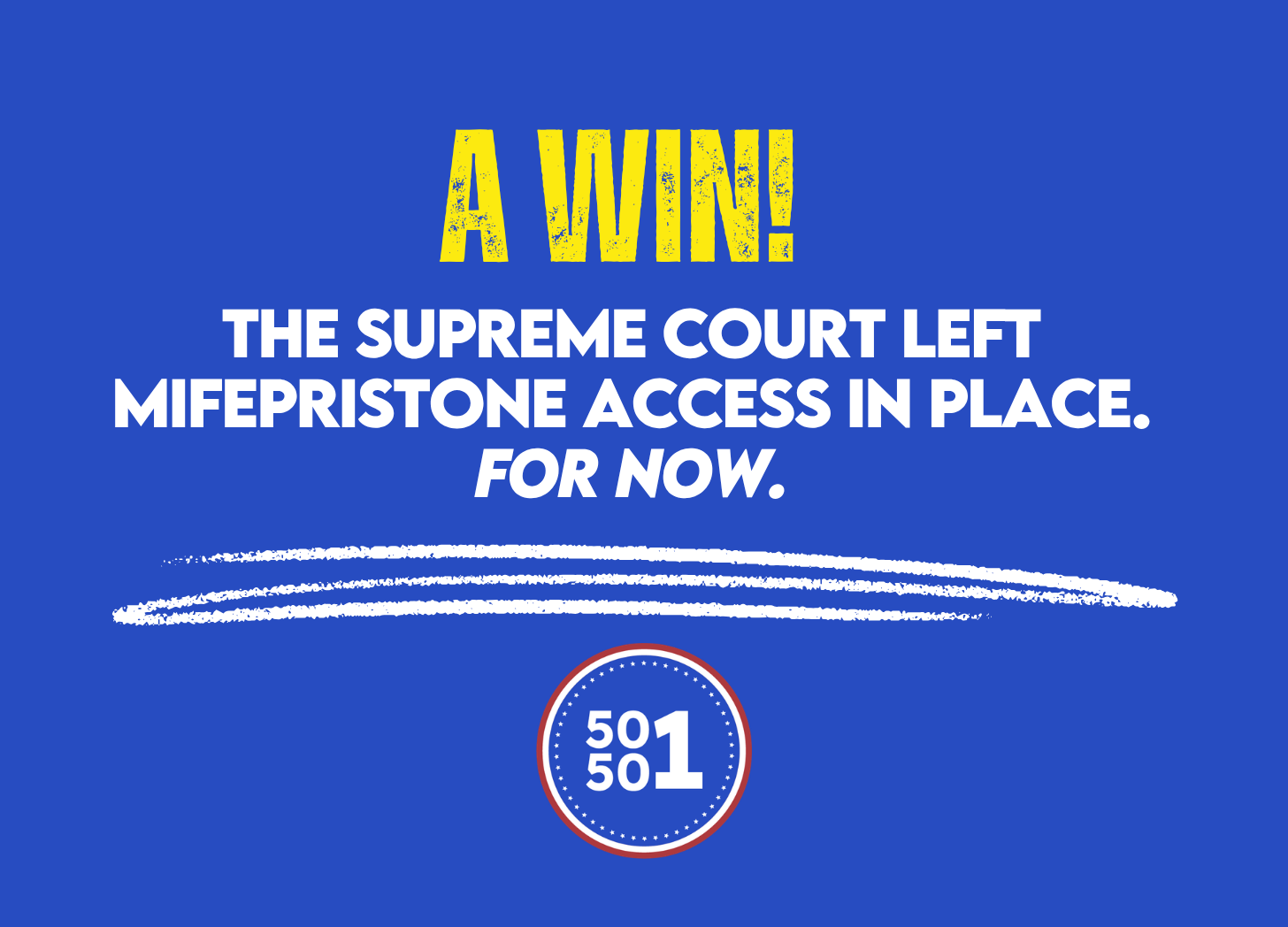
The Supreme Court temporarily kept access to mifepristone, the abortion pill, in place while the lawsuit continues. Patients can still get it under current FDA rules, including by mail and without an in-person doctor visit. But this is not a final ruling.
The bigger fight is about whether courts and state officials can override FDA drug-safety decisions, which could affect far more than abortion access.
The Supreme Court left access to mifepristone in place this week, blocking lower-court restrictions while the lawsuit continues.
Patients can still obtain the medication through pharmacies or by mail, without an in-person doctor visit.
Mifepristone was first approved by the FDA in 2000.
It’s used with misoprostol for medication abortion, and the FDA says its reviews have not identified new safety concerns when the drug is used as directed.
Louisiana’s lawsuit is trying to roll back FDA rules on how the medication can be prescribed. A federal appeals court had allowed restrictions that would have required in-person visits and stopped mail delivery. The Supreme Court has now paused those restrictions while the case moves forward.
For those trying to follow the legal fight:
Access remains in place right now.
Patients can still obtain mifepristone through the current FDA rules.The lawsuit is not over.
This was an emergency order, not a final decision on the whole case.The bigger question is unresolved.
Can courts and state officials override federal drug-safety decisions made by the FDA?
If courts can second-guess the FDA’s scientific judgment because a state objects to how a drug is used, the consequences could extend well beyond abortion. It could change how medication access works in the United States.
A few things are worth holding together at the same time:
This is good news for access.
This is not permanent protection.
The anti-abortion legal strategy is still active.
The Court could see this issue again.
Elections still shape the judges, agencies, and laws that decide these fights.
Two justices, Clarence Thomas and Samuel Alito, dissented. Anti-abortion groups are also continuing to push for new restrictions on mifepristone through the FDA review process.
Public pressure, legal strategy, elections, courts, agencies, and state power are all connected.
For now, access remains.
And that is still a win.
For the long term, reproductive freedom still depends on who holds power, who writes the laws, who appoints the judges, and whether ordinary people keep paying attention. Thank you to those who continue to fight for women’s rights.
Well take any win we can! This is good news for those that may need this option.